A humane transition must work for the elephants already captive and the people already living with them.
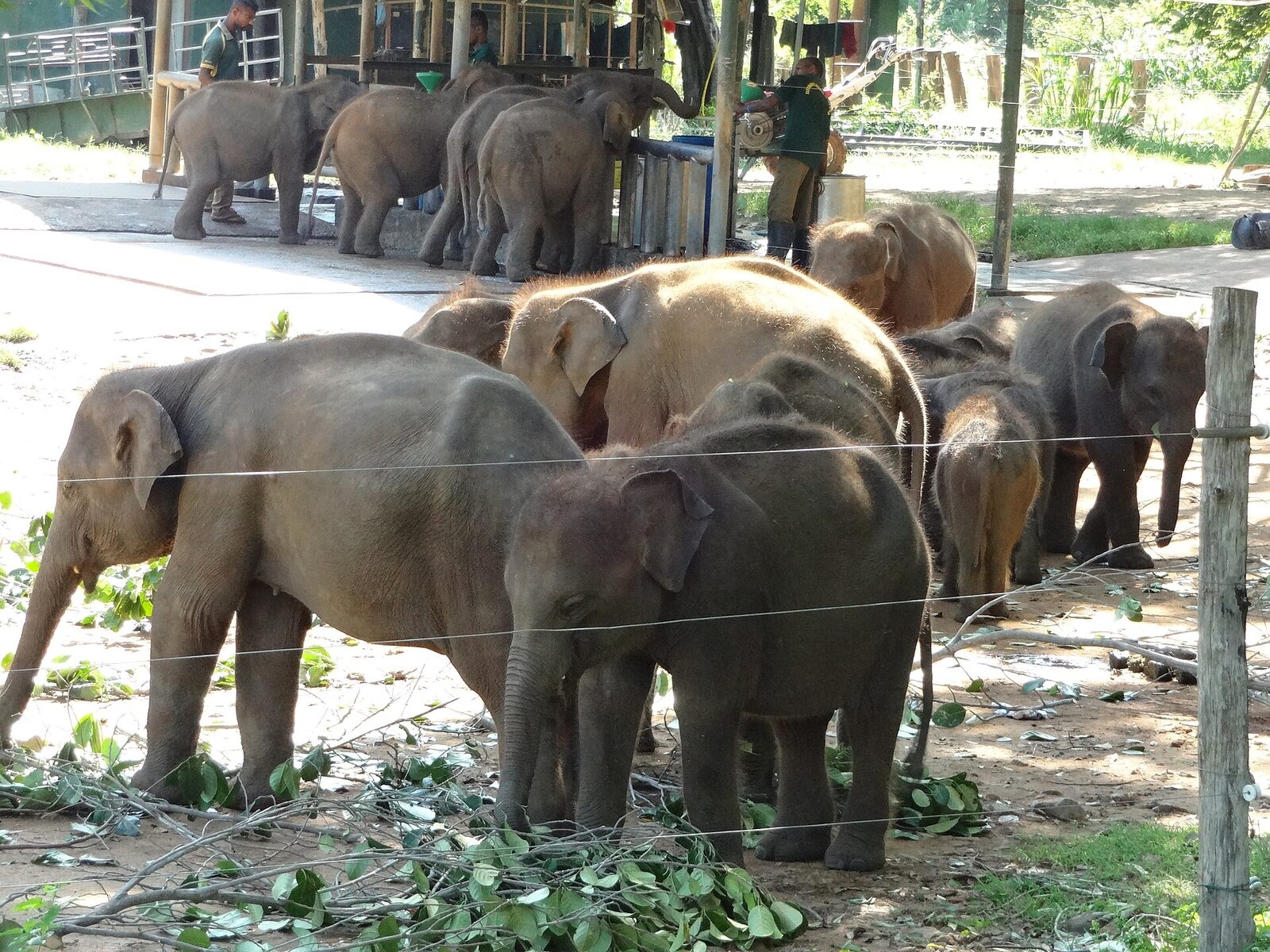
Elephant Transit Home, Udawalawe. Rehabilitation aims toward a life beyond the facility.Z thomas · CC BY-SA 4.0 · Wikimedia Commons · Cropped
The aim is not simply fewer disturbing images. It is a different ordinary day for an elephant: less coercion, more opportunity to move and socialize, competent care, and a future that does not create another captive performer.
1. End the performance. Fund the rest of the life.
We advocate ending the use of elephants in processions, rides and other performances. Retirement must come with a funded care plan: an appropriate setting, compatible companions, veterinary oversight and qualified staff. Moving an elephant to another holding site is not enough.
The objective is to replace routine chaining with environments and husbandry that give animals meaningful choice. Any exceptional restraint for treatment or immediate safety should be justified, limited and recorded. The promise is better care, not a slogan that ignores clinical realities.
2. Protect the people who live with wild elephants.
Sri Lanka’s country-wide distribution survey found elephants across 59.9% of the island, with people resident in 69.4% of elephant range. These are measures of shared land, not the percentage of elephants outside parks. The overlap makes an answer based only on enclosing elephants in protected areas inadequate.29
The national mitigation plan instead explains how community-managed fences can protect settlements and seasonal cultivation. Protecting a village or crop is a different task from trying to fence all elephants into a park. Placement, maintenance and local responsibility determine whether a fence can do useful work.30
The Climate Smart Irrigated Agriculture Project describes seasonal fences installed for cultivation and removed after harvest. This is a practical approach with local participation; programme announcements should still be evaluated against outcomes on the ground.31
Moving an elephant away is not automatically a solution. A Sri Lankan study followed 16 translocations with GPS collars: some animals returned toward their capture areas, some ranged widely and some settled. The researchers concluded that relocation could spread conflict and increase elephant mortality. This is a different intervention from rehabilitating an orphan for carefully prepared release.39
3. Let recovery be a measured outcome.
A 2025 study followed ten orphaned elephants released at ages six to eight after rehabilitation at the Elephant Transit Home. Fecal hormone metabolites associated with stress rose around release, then returned toward baseline within approximately three weeks. Monitoring continued over the following months.28
That is encouraging evidence from a small, prepared group. It does not mean that a long-captive adult can simply be left in a national park. Suitability, social relationships, health, habitat and post-release monitoring must shape each decision.28
A different kind of case file
Madhavi
Born Free’s 2021 annual report records that Madhavi, rescued as a young orphan in 2016, was released with other rehabilitated elephants. Her record belongs beside the accounts of suffering: an intervention can change the direction of a life.32
Even changes within a facility can matter. Born Free’s 2014 report describes revised night-care arrangements and staffing at the Transit Home that allowed night tethering to end. A better life can depend on the unglamorous detail of who is paid to work overnight.35
4. Pay for care and coexistence, not constant proximity.
An elephant-friendly visitor economy should reward patient observation and competent guiding. Communities need a tangible share of the benefits, while caregivers need reliable income that does not depend on forcing contact with visitors. This is a policy direction to build and evaluate, not a claim that tourism automatically benefits everyone.
World Animal Protection’s 2026 assessment covered 2,849 elephants at 236 Thai tourism venues and classified 69% as living in poor or unacceptable conditions. That is evidence from Thailand, not a Sri Lankan estimate. Its relevance is the warning that an industry can change its presentation while welfare problems remain.33
A successful rescue is not the final photograph. It is the life that becomes possible afterward.